Choosing your first lens
Your first extra lens should solve a real limitation you have discovered, not simply be something a list on the internet says you ought to own.
Before you start
Have the camera or phone beside you while you read. Do not try to memorise the page. Find each control or try each idea as it is explained. If a term is unfamiliar, the explanation here matters more than remembering the name.
Start with your existing lens
Use the kit or current lens long enough to notice where it stops you. Do you need to get wider, reach further, focus closer or work in lower light?
Check compatibility first
The lens mount must match your camera. Some systems also have full-frame and smaller-sensor lenses with compatibility rules. Check the manufacturer's information for your exact camera.
Focal length answers a framing problem
A wider focal length includes more of the scene. A longer focal length gives a narrower view. Look at the focal lengths you already use most often.
Maximum aperture answers a light and depth-of-field problem
A larger maximum aperture can help in low light and can make shallow depth of field easier, but it often increases cost, size or weight.
Think about handling
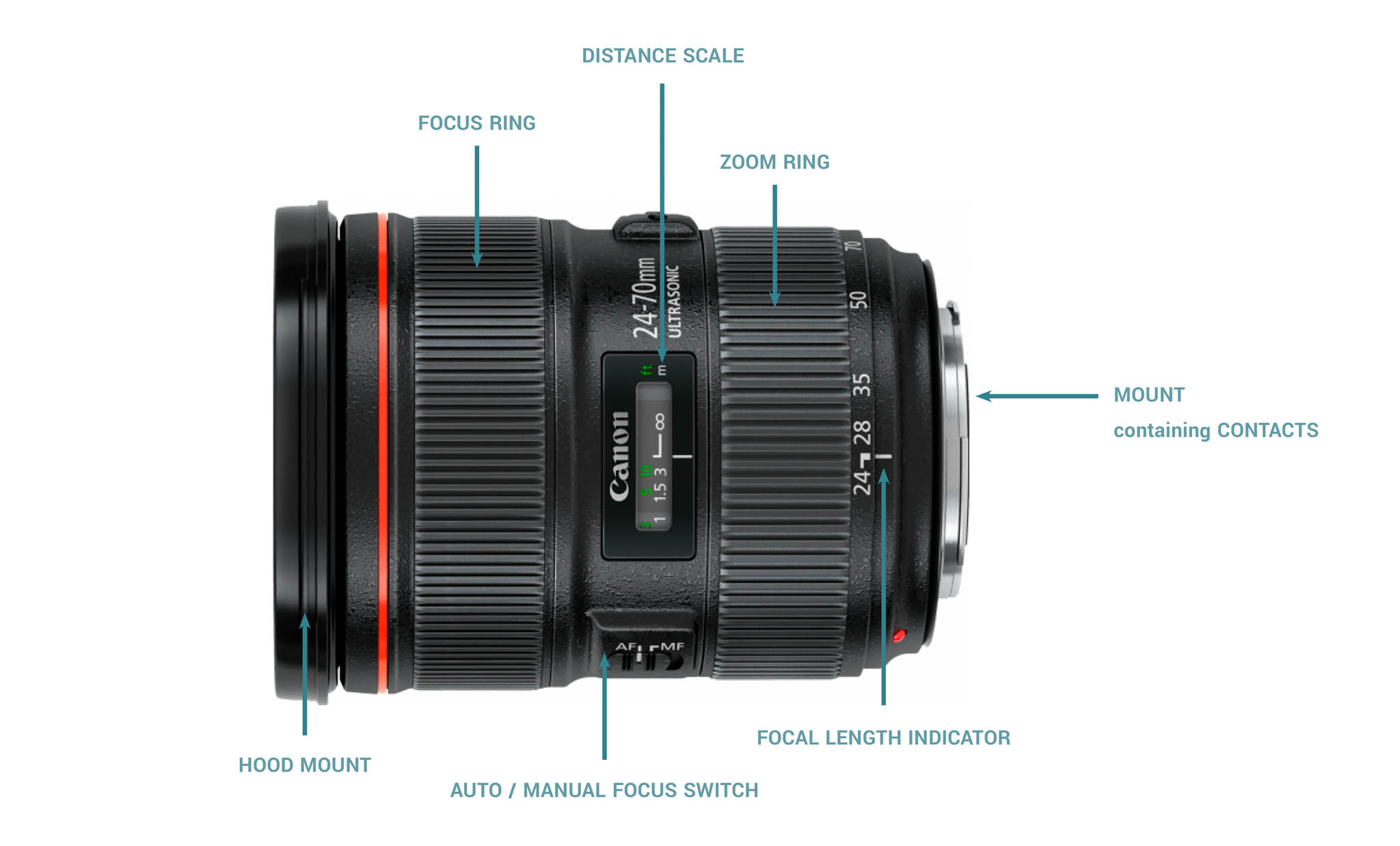
A lens you dislike carrying may stay at home. Weight, focusing distance, stabilisation, filter size and weather sealing can matter as much as headline specifications.
Common mistakes
- Buying by brand prestige rather than need.
- Buying a lens that does not fit the camera.
- Assuming the longest zoom range is automatically most useful.
- Ignoring size and weight.
What you should be able to do before moving on
You should finish with a requirement, not a shopping list: for example, 'I need something longer than 55 mm for birds in the garden.'
If that still feels uncertain, repeat the practical. There is no benefit in rushing to the next lesson with a gap in the basics.
OPEN THE PRACTICAL