
Landscape photography essentials
Landscape photography is not just about finding a beautiful place. The photograph still depends on where you stand, what you include, the light, the moment and how clearly the picture leads the viewer through the scene.
Before you start
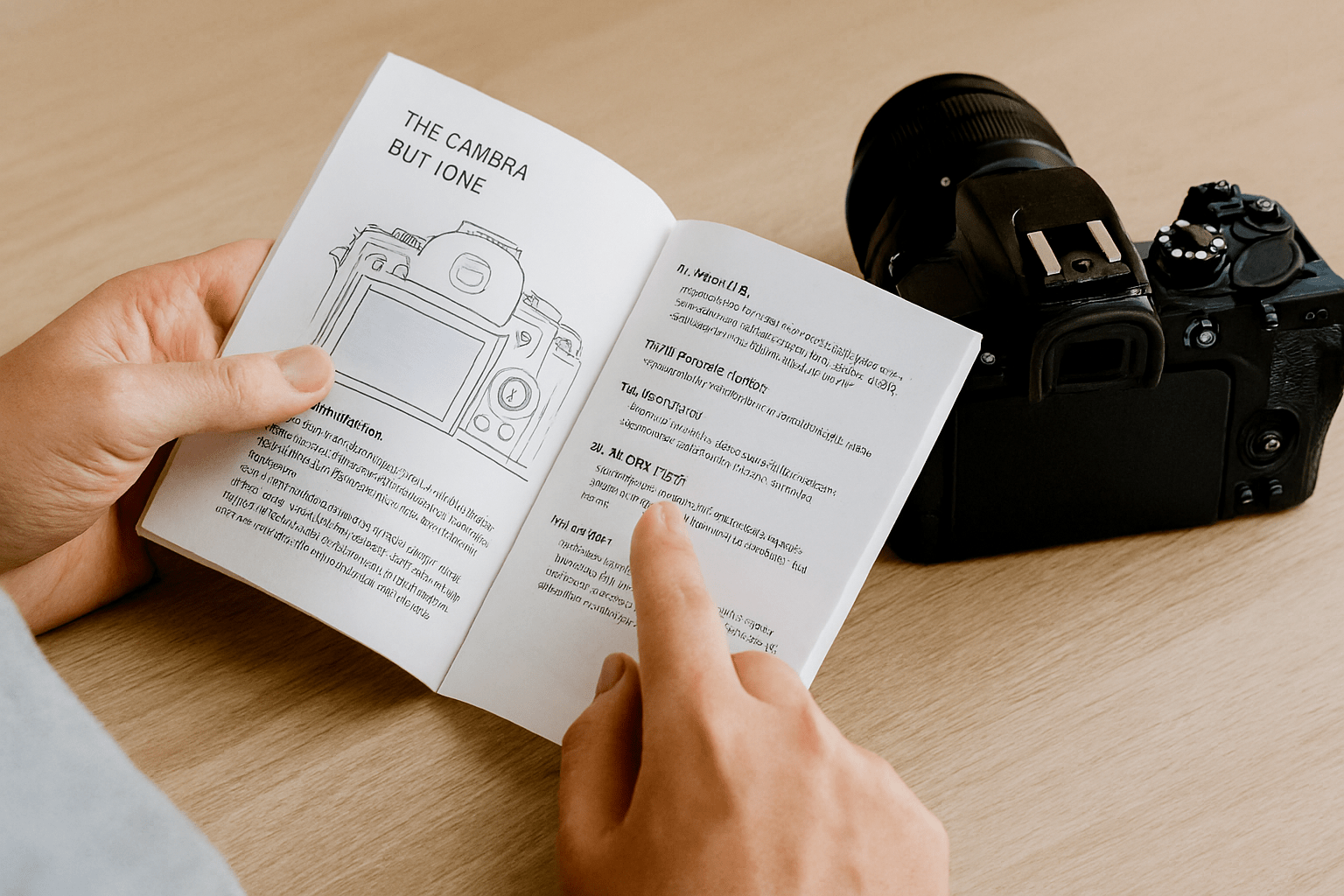
Have the camera or phone beside you while you read. Do not try to memorise the page. Find each control or try each idea as it is explained. If a term is unfamiliar, the explanation here matters more than remembering the name.
Start with the frame
Look around the edges before pressing the shutter. Branches, bins, bright signs and half-cut objects can distract from the landscape you noticed.
Choose a viewpoint
Moving a few metres can change the relationship between foreground, middle distance and background. Do not plant the tripod before you have explored.
Use foreground deliberately
A rock, path, wall, plant or reflection can give the eye somewhere to enter the picture, but foreground is not compulsory.
Watch the light
Side light can reveal texture; overcast light can soften contrast; backlight can create silhouettes or flare. 'Good light' depends on the picture you want.
Keep the camera level when it matters
A tilted horizon is very noticeable in seascapes and open landscapes. Use the camera's level or grid if available.
Sharpness needs a decision
Choose where to focus and use a shutter speed suitable for hand-holding or support the camera. Do not automatically use the smallest possible aperture.
Common mistakes
- Arriving, putting the tripod down and photographing from the first spot.
- Including foreground simply because a rule says you should.
- Automatically increasing saturation until the scene looks unnatural.
- Assuming every landscape must be wide-angle.
What you should be able to do before moving on
You should finish with several genuinely different compositions of the same place and be able to explain why you prefer one.
If that still feels uncertain, repeat the practical. There is no benefit in rushing to the next lesson with a gap in the basics.
OPEN THE PRACTICAL