Macro photography with kit lenses
You do not need a dedicated macro lens to start exploring close-up photography. A kit lens may not give true 1:1 macro magnification, but it can teach you the important skills of working distance, focus, light and background.
Before you start
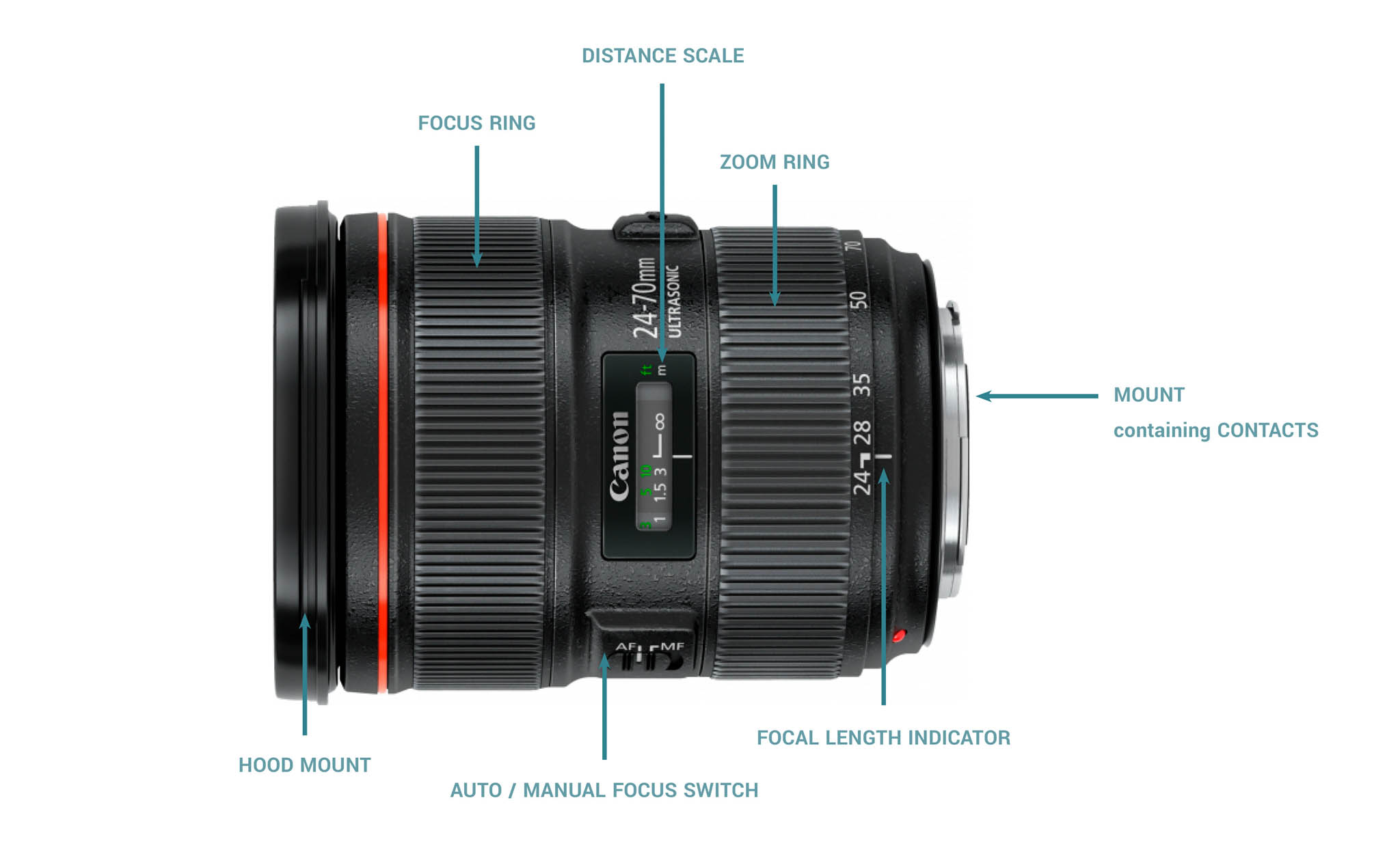
Have the camera or phone beside you while you read. Do not try to memorise the page. Find each control or try each idea as it is explained. If a term is unfamiliar, the explanation here matters more than remembering the name.
Find the closest focusing distance
Every lens has a limit. If the camera refuses to focus when you move closer, move back slightly rather than repeatedly pressing the shutter.
Try the long end of the zoom
Many kit zooms give useful close-up framing at their longer focal lengths, although the best setting varies by lens.
Background matters more close up
Small movements can completely change what appears behind a flower, object or texture.
Depth of field becomes shallow
At close distances only a thin slice of the subject may look sharp. Keep the camera steady and be precise about where you focus.
Light the subject, not just the room
A window, white card or small reflector can improve close-up light. Be careful not to cast your own shadow over the subject.
Common mistakes
- Moving closer than the lens can focus.
- Calling a blurred background a focusing failure when the intended focus point is sharp.
- Using a shutter speed too slow to hand-hold.
- Ignoring movement in flowers or leaves.
What you should be able to do before moving on
You should learn the close-focusing limit of your own lens and make a deliberate close-up rather than simply cropping a distant photograph.
If that still feels uncertain, repeat the practical. There is no benefit in rushing to the next lesson with a gap in the basics.
OPEN THE PRACTICAL