Prime vs. zoom lenses
A prime lens has one focal length. A zoom lens lets you change focal length within a range. Both can be excellent, and the right choice depends on how you want to work.
Before you start
Have the camera or phone beside you while you read. Do not try to memorise the page. Find each control or try each idea as it is explained. If a term is unfamiliar, the explanation here matters more than remembering the name.
What a prime does
A 35 mm or 50 mm prime, for example, stays at that focal length. To change the framing you move, crop later, or accept a different composition.
What a zoom does
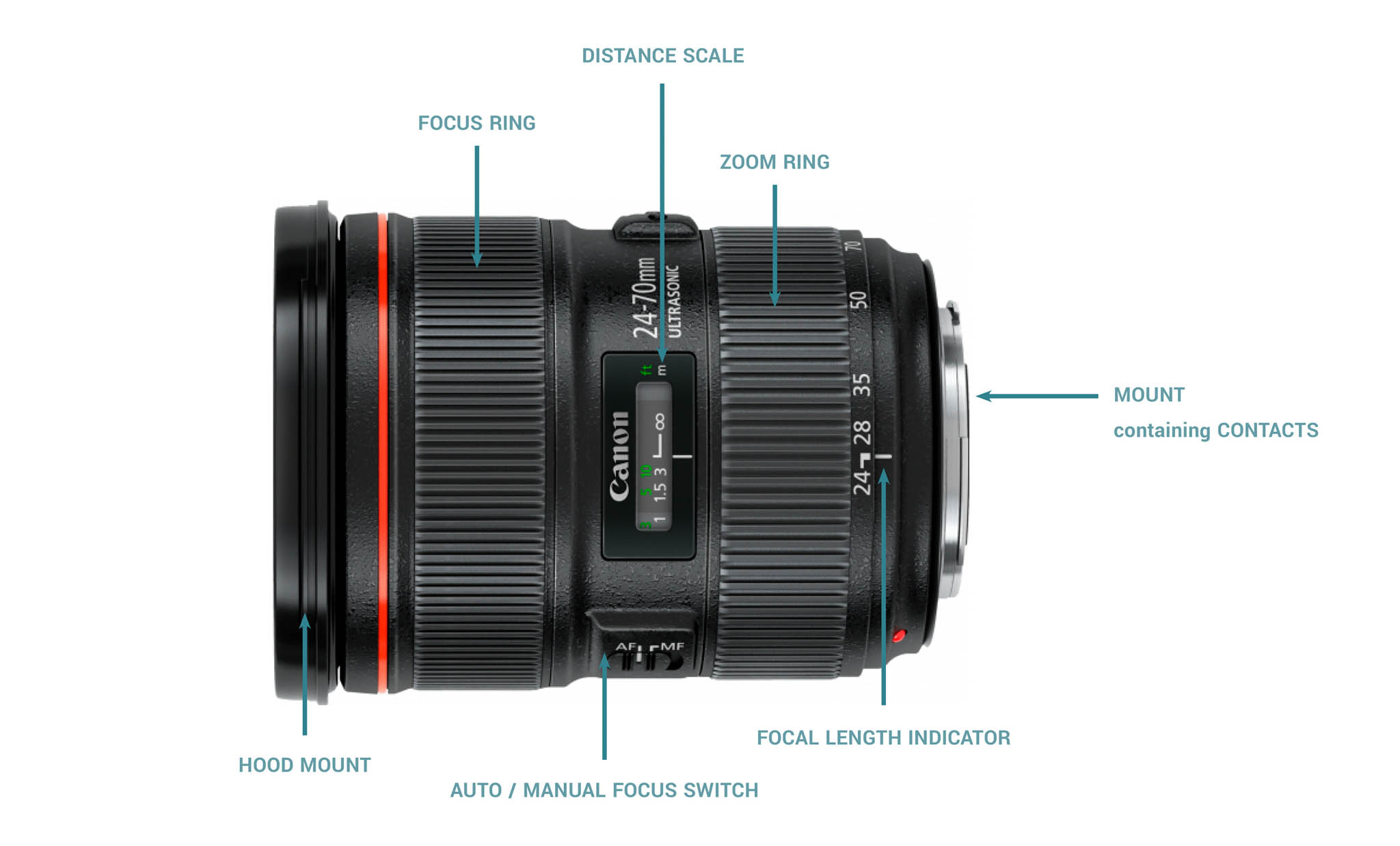
A zoom such as 18-55 mm lets you change the field of view without changing lenses. This can be useful when you cannot easily move.
Aperture differences
Some primes offer very large maximum apertures. Some professional zooms do too. Do not assume all primes are fast or all zooms are slow.
Image quality
Modern primes and zooms range from modest to exceptional. 'Prime is sharper' is too simple to use as a rule.
How they affect your decisions
A prime can encourage you to explore viewpoint because you cannot zoom. A zoom can let you react quickly to changing subjects.
Common mistakes
- Treating a prime as automatically professional.
- Using a zoom only to avoid moving your feet.
- Buying a prime without considering whether its field of view suits your camera and subjects.
What you should be able to do before moving on
You should understand the practical difference rather than trying to decide that one lens type is universally better.
If that still feels uncertain, repeat the practical. There is no benefit in rushing to the next lesson with a gap in the basics.
OPEN THE PRACTICAL