
Understanding Your Camera Type
What camera should you buy? It is the question I get asked most often. The honest answer is that it depends on what you want to photograph, how much you want to learn, and what you are willing to carry around. Let us look at the main types honestly, without the sales pitch.
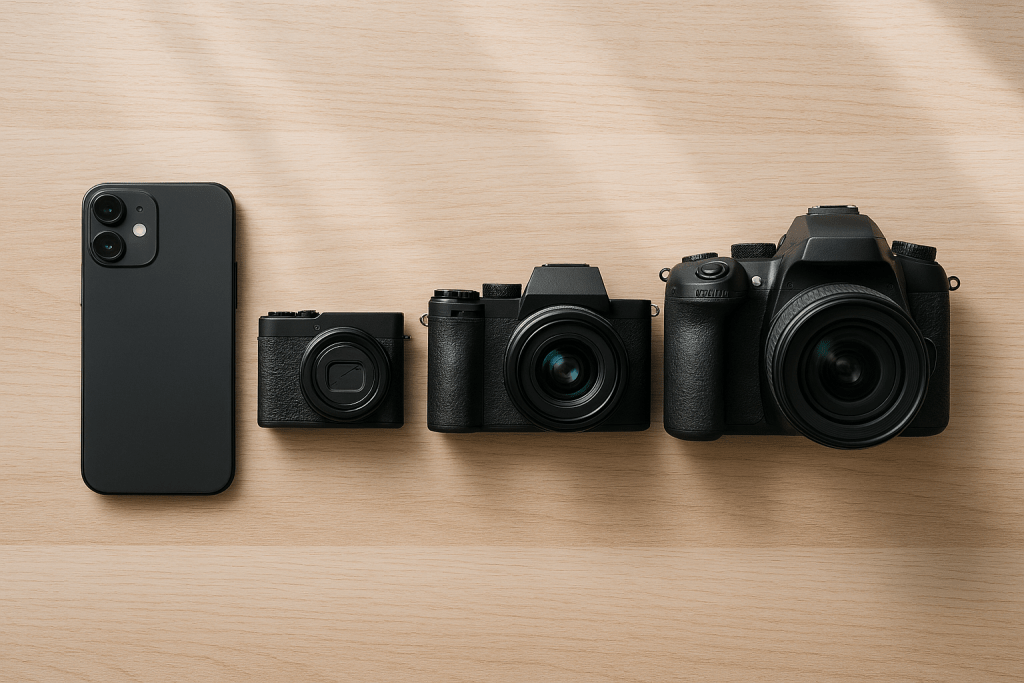
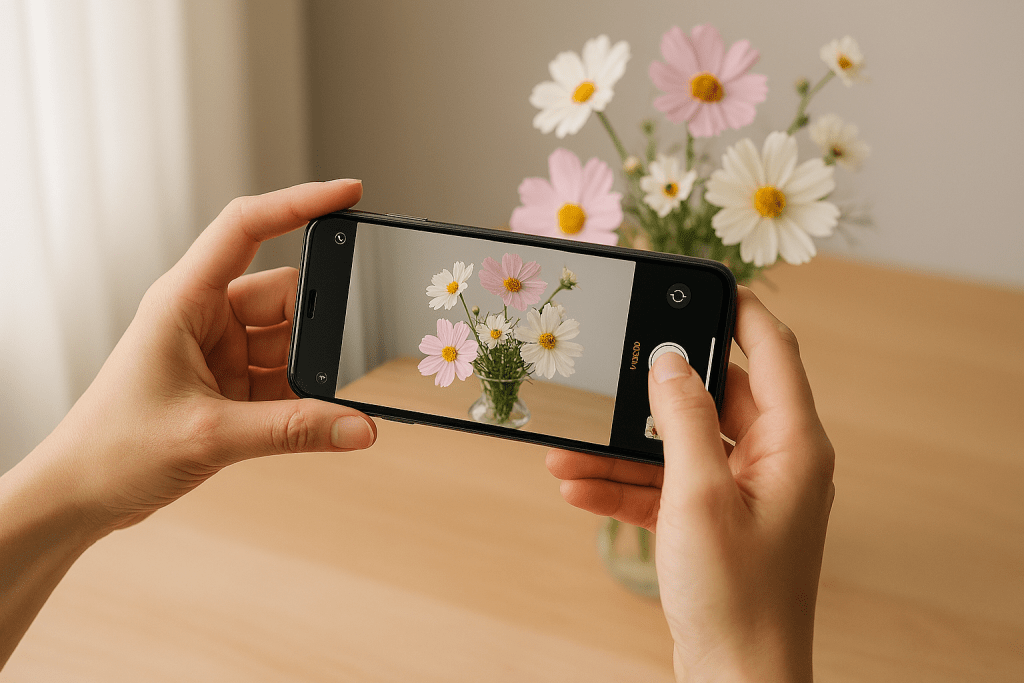
Smartphone Cameras
What they are: The camera you always have with you.
The good bits: You already own it. It fits in your pocket. The image quality is better than many dedicated cameras from ten years ago. You can edit and share instantly. Modern phones have clever software that makes decisions for you, often getting good results in tricky light.
The limitations: You have very little real control. The lens is fixed. The sensor is tiny, so low light performance suffers. Digital zoom ruins image quality. The clever software can look artificial if you examine the images closely.
Who they suit: Everyone, especially beginners. The best camera is the one you have when a moment happens. Smartphones teach you composition and light without overwhelming you with technical choices.
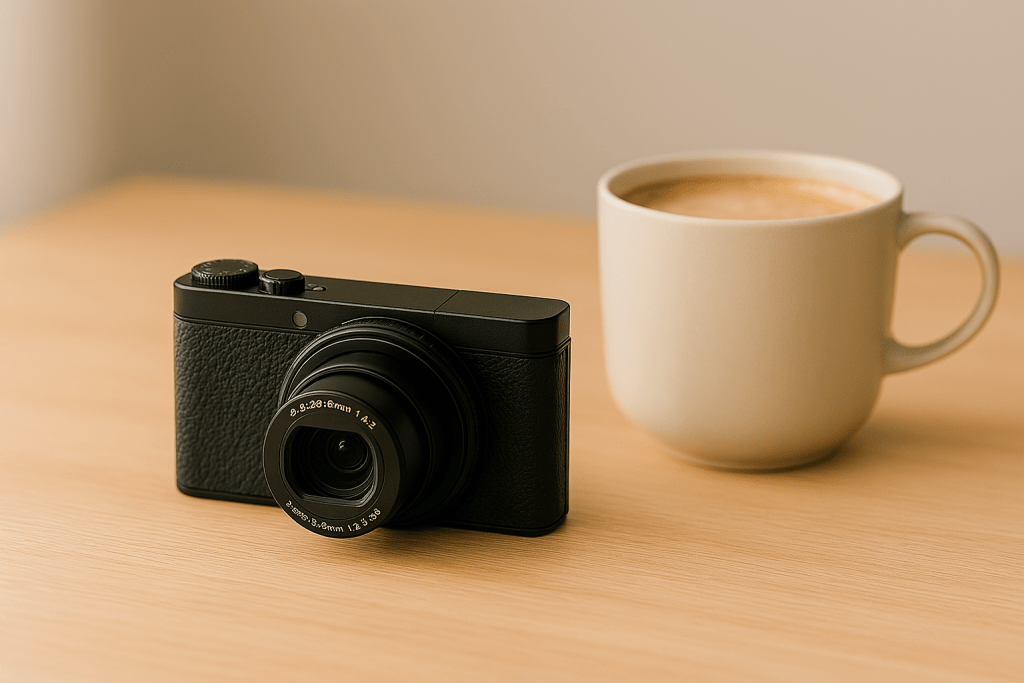
Compact Cameras
What they are: Small dedicated cameras with fixed lenses that do not come off.
The good bits: Proper optical zoom lenses that give you real reach. Better sensors than phones, meaning cleaner images in low light. Proper manual controls if you want them. Small enough to fit in a coat pocket. Generally reasonably priced.
The limitations: The lens is still fixed, so you cannot swap to a wide-angle or portrait lens. The sensor, while better than a phone, is still small compared to proper cameras. Electronic viewfinders can feel laggy and unnatural.
Who they suit: People who want better quality than a phone but refuse to carry a bulky camera. Travel photographers who need zoom range without the weight. Anyone wanting to learn manual controls without the complexity of interchangeable lenses.
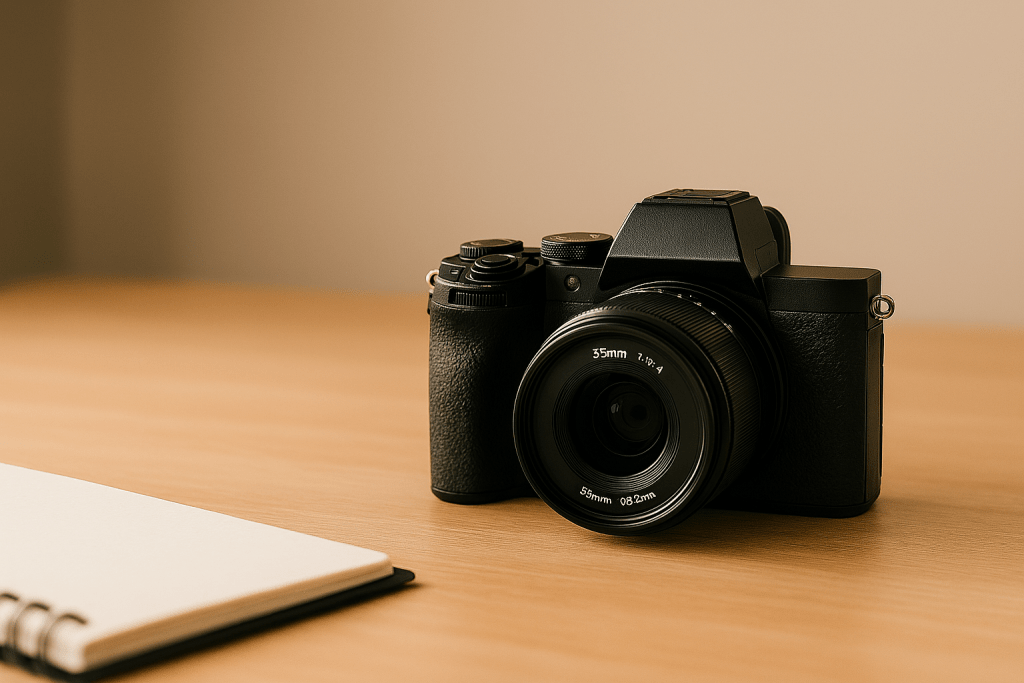
Mirrorless Cameras
What they are: Cameras where you view the image on a screen or electronic viewfinder, not through an optical viewfinder like traditional cameras.
The good bits: Interchangeable lenses give you huge creative flexibility. Large sensors mean beautiful image quality and lovely background blur. Much smaller and lighter than DSLRs. You see exactly what your photo will look like before you press the button. Silent shooting options for quiet moments. Modern autofocus that can track eyes and objects brilliantly.
The limitations: More expensive than compacts. Battery life is shorter than DSLRs because the screen is always on. Menu systems can be complex. You might need several lenses to cover different situations, which adds cost and bulk.
Who they suit: Serious enthusiasts and professionals. Anyone wanting to invest in a system that grows with their skills. People who want the best image quality without carrying a heavy DSLR.
DSLR Cameras
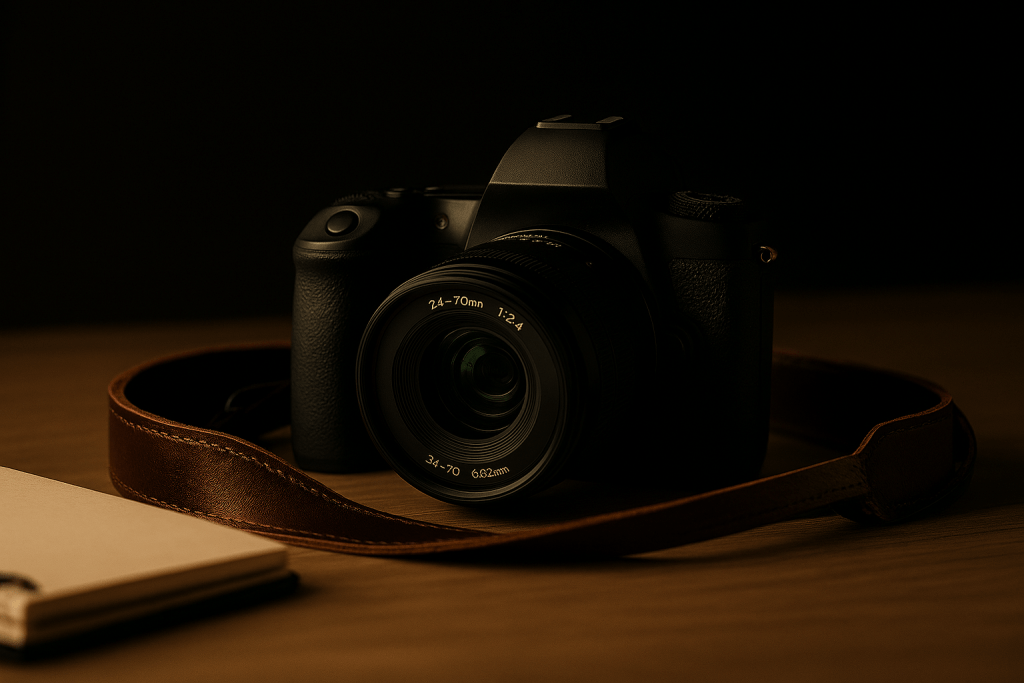
What they are: Traditional cameras with a mirror that reflects the image up to an optical viewfinder.
The good bits: Optical viewfinders show the world as it really is, not a digital representation. Incredible battery life because you are not powering a screen all the time. Massive range of lenses available, often cheaper second-hand. Robust build quality that lasts for years. Instant response when you press the button, no lag.
The limitations: Big and heavy. The mirror mechanism makes noise. You cannot see the final exposure in the viewfinder like you can with mirrorless. Manufacturers are shifting focus to mirrorless, so fewer new models are being released.
Who they suit: People with existing collections of DSLR lenses. Those who prefer optical viewfinders. Sports and wildlife photographers who need the best battery life and instant response. Budget-conscious buyers who want great second-hand value.
Film Cameras
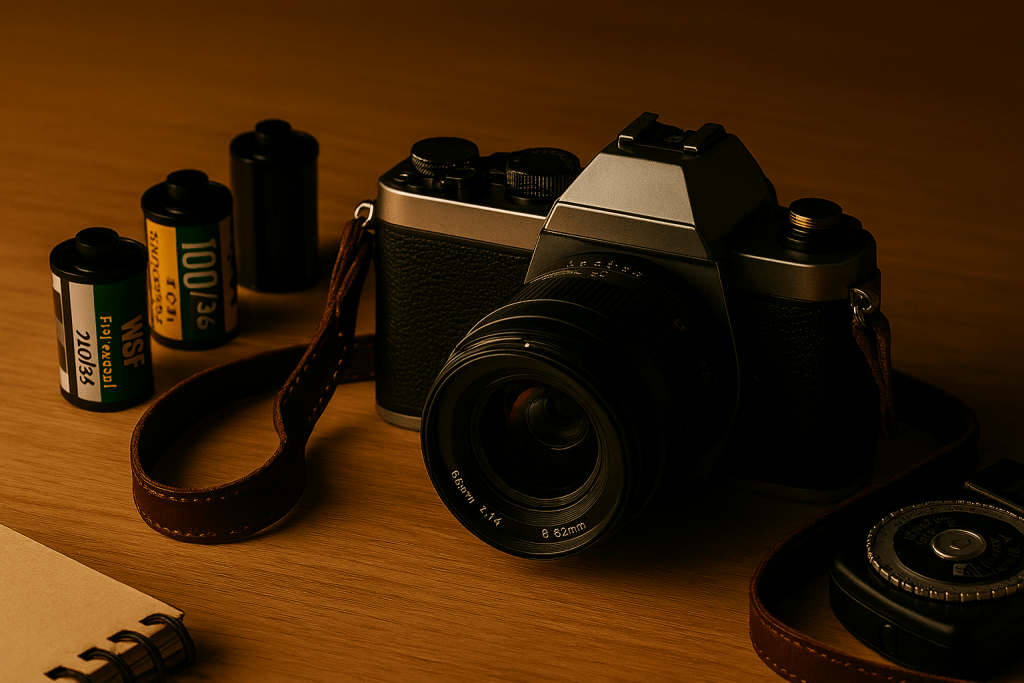
What they are: Cameras that use rolls of film instead of digital sensors.
The good bits: Forces you to slow down and think. The look of film is distinctive and beautiful. Equipment is cheap second-hand. No batteries needed for many mechanical models. Teaches you discipline because every shot costs money.
The limitations: Film and developing are expensive. You cannot see results immediately. Limited number of shots per roll. Scanning film to share digitally takes time and skill. Not practical for learning quickly or shooting in volume.
Who they suit: Experienced photographers wanting to reconnect with the craft. Artists who love the film aesthetic. Patient people who enjoy process as much as results. Not recommended for absolute beginners.
Which Should You Choose?
Start with what you have. If that is a smartphone, learn to use it well. When you find yourself pushing against its limits – wanting to blur backgrounds properly, needing real zoom, struggling in low light – that is when you consider upgrading.
If you are buying your first proper camera, a modern compact camera or entry-level mirrorless camera is a good bet. They give you room to grow without overwhelming you.
Remember, the camera is just a tool. A better camera does not make you a better photographer. Practice does.
Your Next Step
Understanding your camera type matters because it helps you work within its limits and play to its strengths. But do not get lost in the gear. Pick up whatever camera you own and go make some photographs.
If you are still unsure what camera might suit you, or you have one and want to learn how to use it properly, that is what I am here for.